
Crossing the Line

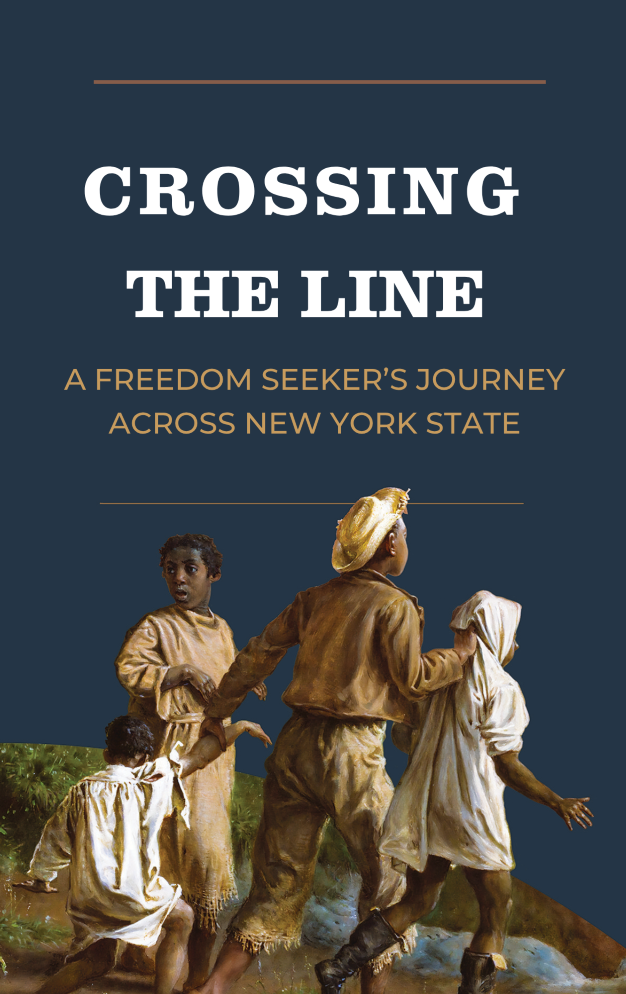
Would you stand up for your neighbor’s freedom? Crossing the Line: A Freedom Seeker’s Journey Across New York State invites visitors to consider that question through the experiences of the Black abolitionists, activists, and community members who made up much of the Underground Railroad’s story. The exhibit grew from a desire to center Black voices and experiences in this history, and explores the networks, journeys, and acts of community resistance that shaped freedom seeking across New York State. Created in collaboration with students from the Cooperstown Graduate Program, the exhibit provided them with hands-on experience in the process of developing a public history exhibition. In addition, an oral interview project conducted by a SUNY Albany intern brings contemporary perspectives on local Black history and the field of public history into the conversation.
Crossing the Line Interview Series

In conjunction with the second exhibit of the Underground Railroad Education Center’s Black Experience Exhibit Series, Crossing the Line, the UREC conducted oral interviews with local historians. Through these interviews, the rich history of Black abolitionism, community resistance, and perseverance in upstate New York can be better preserved and interpreted, thereby making this information more accessible to all those who wish to learn and continue to preserve these histories.

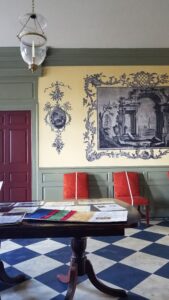
The interior of Schuyler Mansion

Inside Schuyler Mansion

Heidi Hill

Is the Site Manager of Crailo State Historic Site in Rensselaer, New York and Schuyler Mansion State Historic Site in Albany, New York. Topics Heidi speaks to include the history of enslavement in the city of Albany, Philip Schuyler’s status as a prominent enslaver, and the evolution of Schuyler Mansion and its place in discussions regarding the Black experience in Upstate New York and Early America.

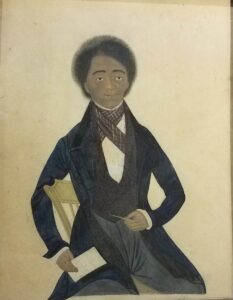
Watercolor painting of Peter Baltimore, painted by an anonymous artist in the late 1840s

Katherine Sheehan

Is Executive Director of the Hart Cluett Museum in Troy, New York and Rensselaer County Historian. Katherine discusses a variety of topics including the abolitionist movement in Troy, the involvement of Black women in the abolitionist movement, the rescue of Charles Nalle, Troy as a hub of Black American life, and the prominence of Upstate New York at-large in the abolitionist movement.

Samantha Hall-Saladino

Is Executive Director of the Fulton County Historical Society and Fulton County Historian. Samantha’s interview speaks to the rural history of New York State, the relationship between historians and marginalized communities, and the ways in which the public history community can build trust with those they serve.